Welcome to Brampton, Ontario: The Slumlord City
How Greed, Low Wages, and Mass Immigration Turned Brampton Rentals Into a Dangerous Overcrowded Mess.
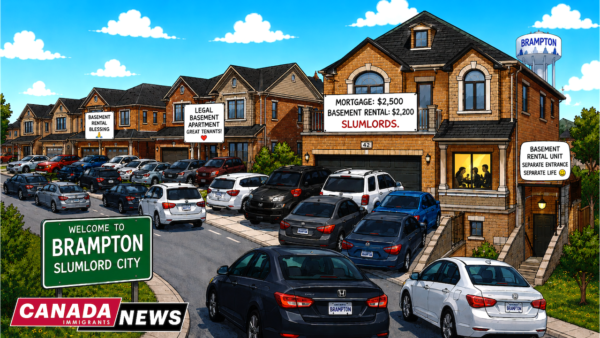
Brampton, Ontario, has slapped landlords with almost $700,000 in fines through its new Residential Rental Licensing program. On paper, it sounds like the city is finally cracking down on sketchy rentals and overcrowded basements. In reality, this mess exposes deep problems with greed, weak oversight, and years of terrible housing planning that left the city scrambling.
Landlords in Brampton turned family homes into cash machines, packing students or workers into tiny illegal rooms, basements, converted garages and even sheds. Some charged high rents while ignoring safety rules. The city now pushes licensing for all rental properties, with fines up to $1,500 for violations like improper occupancy or unlicensed units. Thousands of properties registered, yet enforcement reveals how widespread the issues became.
A major driver behind this rental chaos is the huge influx of hundreds of thousands of Indian international students and temporary foreign workers into Brampton in recent years. Brampton became a magnet for newcomers, especially from India, drawn by colleges, job opportunities in the GTA, and existing South Asian communities. The city saw explosive population growth, with tens of thousands of students and workers arriving rapidly. Many ended up in overcrowded basements and illegal units, sometimes with 15 to 25 people sharing one apartment. Landlords exploited this demand, jacking up rents and cutting corners on basic standards. This surge overwhelmed local infrastructure, schools, and housing stock that simply was not ready; turned a demographic boom into a housing nightmare that benefits slumlords most. Brampton became known in some circles for mortgage fraud and dodgy rental practices, turning the city into a pressure cooker.
The bigger issue? Complete lack of housing planning. Brampton grew fast, but city leaders and provincial officials failed to build enough proper housing or enforce rules early. Instead of smart zoning and new affordable builds, they let the rental black market explode. Now residents deal with packed streets, parking nightmares, and higher taxes to clean up the mess. New fines and licensing feel like a band-aid on a problem years in the making.
Critics also raise questions about corruption. Why did illegal rooming houses operate openly for so long with weak enforcement? Reports suggest cozy ties between some developers, property owners, and local powers slowed real accountability. Low complaint-to-action rates in the past let problems fester. This erodes trust and hits honest residents hardest in the Brampton housing crisis.
Brampton Ontario rental fines highlight a broken system fueled by greed and poor planning. Issuing $700K in penalties shows the city is trying to catch up, but without tackling root causes like affordable housing and transparent leadership to fix planning failures, boosting real wages, and holding everyone accountable before this crisis spirals further. Brampton has huge potential, but it requires a clear path on rentals, immigration impacts, low-income realities, and future growth. For a deeper look at the underlying facts and contextual data driving this analysis, see the Backgrounder below.
BACKGROUNDER
Impact of Immigration on Brampton Housing: Rapid Growth, Overcrowding, and a Strained System
Brampton, Ontario, stands as one of Canada’s fastest-growing cities, with its population surging from around 656,000 in the 2021 census to an estimated 830,000+ by early 2026. Much of this growth comes from immigration, particularly permanent residents, international students, and temporary foreign workers, many from India and South Asia. While immigration brings economic and cultural benefits, it has put massive pressure on the local housing market, worsening shortages, driving up rents, and fueling illegal rentals and overcrowding.
Explosive Population Growth and Housing Demand
Brampton’s annual growth rate has hit 4 percent in recent years, far above provincial and national averages. Immigration, including non-permanent residents like international students and temporary workers, accounted for a huge share of this increase. At its peak around late 2023, Brampton had an estimated 100,000 international students, with cases of extreme overcrowding such as 25 students sharing a single basement apartment. Landlords responded by converting single-family homes into multi-unit rentals, often ignoring safety rules.
This sudden demand crushed the rental market. Vacancy rates in the GTA area dropped to critically low levels (under 1-2 percent in prior years), pushing average rents higher. Two-bedroom units in Brampton West have exceeded $2,000 monthly. Low-wage workers in retail, warehousing, and services, many of them recent immigrants, struggle the most as rents outpace wage growth.
Strain on Supply and Infrastructure
Housing construction has not kept pace. Brampton needs over 46,000 new homes in the next five years just to meet current demand, yet it has faced challenges hitting provincial targets, losing funding as a result. The city pledged 113,000 new homes by 2031, but rapid population growth from immigration has overwhelmed planning. Overcrowded basements, illegal rooming houses, and strained infrastructure like schools, transit, and healthcare have become common complaints.
National studies show immigration contributes to housing price and rent increases, accounting for roughly 11 percent overall in Canada from 2006-2021, with higher impacts (around 20 percent for home values) in large municipalities like those in the GTA. In tight markets, the effect is more pronounced because supply is inelastic due to zoning, red tape, and slow approvals.
Broader Effects and Recent Shifts
The surge has led to visible problems: higher competition for units, more tenants in unsuitable housing, and neighbourhood strain from parking, traffic, and services. Many long-time residents feel the pressure, with surveys showing up to 60 percent of Brampton residents considering leaving due to affordability.
Immigration alone did not create Brampton’s housing crisis. Decades of under-building, restrictive zoning, and poor coordination between federal immigration targets and local/provincial housing policy share the blame. When hundreds of thousands of newcomers arrive without matching new supply, the result is predictable: higher costs, overcrowding, and social tension. Brampton needs better alignment between immigration levels and wages.