
Did Canada Overdo the International Student Boom?
The profit-first college system is finally paying the price.
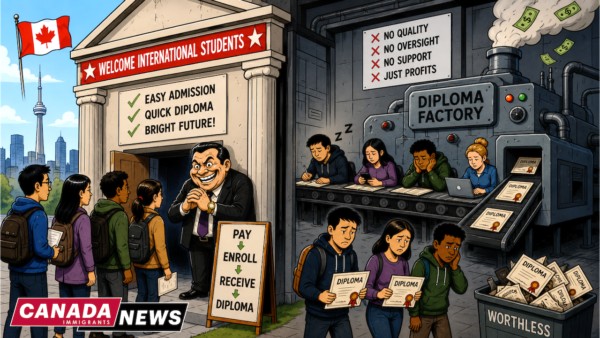
Canada’s international student numbers have crashed, and honestly, it is about time. New data shows a brutal 61 percent drop in fresh student arrivals in 2025 compared to the year before. Total study permit holders fell around 30 percent, from nearly a million down to roughly 690,000 or even lower in some counts. Places that once packed in waves of students now face empty seats, program cuts, and worried staff. But let’s be real: this correction needed to happen, and Ottawa should push it further.
For years, colleges and universities treated international students like walking cash machines. These institutions jacked up tuition fees to three, four, or even five times what Canadian students pay. They rolled out easy programs, loose admission standards, and aggressive recruitment just to fill seats and boost revenue. Education often took a backseat while profits soared. Private colleges popped up like weeds, and even public ones expanded wildly, chasing that sweet international dollar. The result? Overcrowded classrooms, students squeezed into basements and overpriced rentals, and a system that cared more about enrolment targets than actual learning outcomes.
This cash grab helped fuel Canada’s housing nightmare. With hundreds of thousands of extra bodies hitting cities that already lacked enough apartments, rents skyrocketed and infrastructure groaned. Hospitals, transit, and services felt the strain. Sure, some defenders say international students are not the main culprit, but when schools prioritize headcounts over quality and integration, problems multiply fast. Many students arrived with limited English skills or unrealistic expectations, only to end up in low wage gigs instead of serious study. The whole setup started looking less like education and more like an immigration backdoor run for profit.
The sharp drop brings some relief. Fewer new arrivals ease pressure on housing and public services. It forces colleges to finally focus on what matters: delivering real value to domestic students and the serious international ones who actually want quality education. Institutions now whine about budget shortfalls and layoffs, but that exposes how addicted they became to foreign tuition money. Instead of building sustainable models with proper provincial funding and realistic domestic enrolment, they gambled on endless growth. That gamble failed, and Canadians should not feel sorry for the hangover.
Continuing to reduce numbers makes sense. The government has already set lower targets for 2026 and beyond. Stick to them. Tighten rules further on shady programs, fake colleges, and institutions that fail basic quality checks. Push schools to invest in genuine teaching instead of marketing departments. Canada can still welcome talented students who contribute meaningfully, but not at the expense of turning post secondary education into a profit driven industry that harms the country. The enrolment crash is not a crisis. It is a necessary reset. Keep the pressure on so colleges remember their job is education, not just chasing dollars. For a deeper look at the underlying facts and contextual data driving this analysis, see the Backgrounder below.
BACKGROUNDER
Fake and Low-Quality College Programs in Canada: The Diploma Mill Problem
Canada’s post-secondary system has been flooded with low-quality programs that deliver little real education and even fewer job prospects. These operations, often called diploma mills or puppy mills by officials, exploded thanks to the international student boom. They prioritized profits over skills, leaving graduates with worthless pieces of paper and big debts. Private career colleges drove much of the problem. British Columbia alone has more than 250 private post-secondary institutions. Ontario saw a similar surge, with Brampton reportedly hosting up to 80 such colleges at one point. Many operated out of strip malls or small offices with minimal facilities. They aggressively recruited international students, promising easy pathways to permanent residency, good jobs, and quality education that rarely materialized.
Notable examples of problematic institutions include:
- Granville College in British Columbia: Provincial regulators ordered refunds after complaints about misleading practices and poor delivery.
- Fraser Valley Community College in Surrey, B.C.: Shut down in 2015 after dozens of complaints about fake job guarantees, substandard facilities, and refund issues.
- Royal Institute of Science and Management in Markham, Ontario: Owners and staff faced fraud and forgery charges in 2020.
These schools often pushed generic business diplomas, hospitality management, or vague administrative programs. Federal data analyzed by CBC showed colleges enrolled far more international students in business fields than in high-demand areas like healthcare or trades. Many graduates ended up in unrelated low-wage jobs such as retail, delivery, or gig work because Canadian employers did not value the credentials.
Employment outcomes tell a harsh story. While overall college graduates have decent stats, those from low-quality private programs frequently report poor results. Students described programs with little hands-on training, unqualified instructors, and no real industry connections. Some attended classes that barely existed or signed up for courses they had zero interest in just to get a work permit. After graduation, many carried debt in the tens of thousands with credentials that carried little weight in the job market.
Public colleges were not completely innocent either. Some expanded questionable partnership programs or low-rigor offerings to cash in on international tuition fees, which can be three to five times higher than domestic rates. The system turned education into an immigration workaround rather than skill development.
Ex-Immigration Minister Marc Miller has called out these “puppy mills” directly. Provinces like B.C. and Ontario have promised crackdowns, including better oversight and program approvals. Alberta created a searchable database for its 214 private career colleges after reports of high-pressure sales and misleading employment promises.
The sharp drop in international students (over 60 percent fewer new arrivals in 2025) has forced a reckoning. Many weak programs are shrinking or closing, which is ultimately good news. It exposes how addicted parts of the sector became to easy money instead of building quality education.
Canada needs stricter national standards, regular program audits tied to actual graduate employment rates, and limits on low-value offerings. Students deserve real training that leads to real jobs, not expensive paper that gets tossed in the trash. Until regulators clean house properly, these low-quality programs will keep exploiting dreams for profit.