
No Consequences: Doug Ford’s Scandals Meet Complacent Opposition
Fragile and fractured opposition parties fuel a systemic lack of accountability, enabling a hollow system where citizens technically elect a government, yet possess no real power to restrain it.
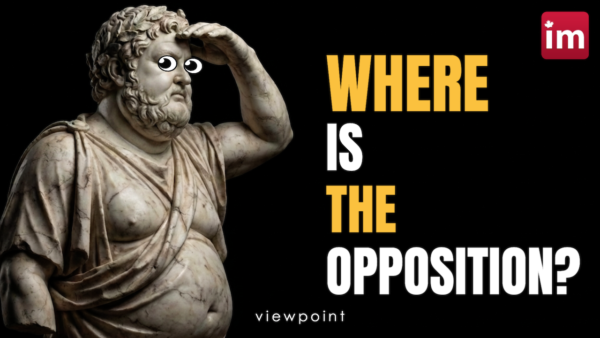
Ontario politics has a clear autocrat these days: Premier Doug Ford. He pushes policies that spark outrage, reverses some under pressure, then moves on like nothing happened. The opposition? They issue statements, score minor points in committee, and go back to business as usual. Why does Ford seem unstoppable? The uncomfortable truth lies in how deeply intertwined the political parties are. They criticize each other publicly but operate in the same small ecosystem of donors, lobbyists, and insiders who all benefit from keeping the game polite.
Look at the Greenbelt scandal as Exhibit A. Ford’s government removed roughly 7,400 acres of protected land, much of it benefiting well-connected developers who stood to gain billions. The auditor general’s report tore into the rushed process for ignoring environmental, agricultural, and financial realities. Two ministers resigned amid ethics violations. The RCMP is investigating potential corruption. Years later, the mandatory review of the Greenbelt is more than a year overdue, and the government offers little more than shrugs. Ford eventually clawed some land back, but the episode showed how quickly rules bend when big players are involved.
Money oils the whole machine. Ford’s Progressive Conservatives raised nearly $8 million in 2023 and hold a $9 million surplus, dwarfing rivals. Over 70 percent of their donations come from individuals giving $1,000 or more. Ford doubled the annual donation limit, making it easier for wealthy backers to flex influence. The other parties are not innocent. They rely on similar networks, just with smaller hauls. This financial imbalance lets the PCs dominate advertising and organization while opposition parties fight over scraps. Shared corporate ties create a cozy club where nobody wants to alienate potential future funders or allies.
The opposition’s weakness makes Ford’s job even easier. In recent elections, the NDP and Liberals split the anti-Ford vote, helping hand him solid majorities. Instead of forming a united front on key issues like housing affordability and health care wait times, they often compete for second place. The legislature under Ford sits fewer days than in previous decades. Recent changes to freedom of information rules retroactively shield the premier’s office and ministers from scrutiny, conveniently blocking release of more Greenbelt-related documents. It is governance by majority muscle rather than genuine debate.
This setup creates what looks like democracy on paper but feels hollow in practice. Voters head to the polls every four years or so, mark an X, and hope for the best. Yet real power stays concentrated among party elites, major donors, and connected insiders. Elections offer the appearance of choice while the underlying system limits accountability. Big decisions on land use, infrastructure, and spending often get shaped long before ballots are cast, influenced by those who can write large cheques or pick up the phone to Queen’s Park. Ordinary Ontarians, no matter how angry, lack the structural tools to force meaningful course corrections between votes.
Ford’s approach thrives because the guardrails are weak and the watchdogs are underfed. Until opposition parties break from the comfortable routines and challenge the intertwined incentives that protect incumbents, little will change. Ontario’s limited democracy raises serious questions. If voters technically choose the government but cannot meaningfully constrain it once elected, how democratic is the system really? Who truly holds power here, and what will it take for everyday citizens to get some back? These are the questions we should be asking before the next cycle begins and the same show repeats.
BACKGROUNDER
Doug Ford has served as Ontario Premier since 2018, winning successive majority governments. His tenure has been marked by several high-profile scandals that raised serious questions about ethics, transparency, and favoritism. Yet meaningful investigations, sanctions, or lasting consequences have been notably absent. This report outlines the biggest controversies and examines why accountability mechanisms have largely failed to check the premier’s power.
The Greenbelt Scandal
The most damaging controversy involved the removal of approximately 7,400 acres from Ontario’s protected Greenbelt. In 2022, the Ford government opened protected lands for housing development. Many parcels directly benefited developers with ties to the Progressive Conservative Party. The auditor general’s 2023 report criticized the opaque process, noting it ignored environmental and agricultural impacts while potentially generating over $8 billion in windfalls for select owners. Two cabinet ministers resigned amid ethics findings. The RCMP opened a criminal investigation into possible corruption. Despite public outrage and partial reversal of the land swaps, the mandatory Greenbelt review remains overdue by more than a year as of mid-2026. Government responses have been minimal, with limited cooperation on document releases.
Freedom of Information Rollbacks
In 2026, the Ford government passed legislation exempting the premier, ministers, and their offices from key freedom of information requests. The changes apply retroactively, blocking release of hundreds of records related to the Greenbelt and other issues. Critics argue this shields the administration from scrutiny at a time when public interest in past decisions remains high. The move further reduces transparency in a province already facing criticism for limited legislative sitting days.
Political Financing and Donor InfluenceFord’s PCs maintain a significant fundraising advantage, collecting nearly $8 million in 2023 with a $9 million surplus. Over 70 percent of donations come from large contributors giving $1,000 or more. The government doubled individual donation limits, amplifying the role of wealthy donors. Reports have highlighted patterns of donations from individuals linked to companies receiving government contracts or favorable decisions. While not illegal, this system creates perceptions of pay-to-play influence across parties, though the PCs benefit most.
Other Controversies
Ford has faced criticism for heavy use of the notwithstanding clause to override charter rights in labor disputes and other legislation. His government’s handling of certain procurement deals and appointments has also drawn scrutiny for apparent favoritism. Attempts to limit legislative oversight, including short sitting schedules, have reduced opportunities for opposition scrutiny.
Absence of Strong Authority and Will to Investigate
Ontario lacks robust independent mechanisms to hold a premier accountable. The Integrity Commissioner and auditor general can investigate and report, but they lack binding enforcement powers. Police probes, such as the RCMP’s Greenbelt review, move slowly and face jurisdictional hurdles. The opposition parties, divided between NDP and Liberals, have failed to mount sustained pressure or capitalize on scandals electorally due to vote splitting and weaker resources.
Elections provide periodic voter judgment, but between votes there are few real checks. Legislative committees, public inquiries, and ethics rules depend heavily on government cooperation. When the ruling party holds a majority, it can control the agenda, limit debate, and reshape rules like freedom of information access. This creates a structural gap: scandals generate headlines and resignations of lower officials, but the premier faces little personal risk.
In sum, Doug Ford’s biggest scandals reveal patterns of favoritism and reduced transparency. The absence of strong, independent sanctioning authority, combined with weak political will from opposition parties and slow-moving investigations, allows controversies to fade without deeper reform. Ontario’s system relies heavily on majority restraint and public pressure rather than built-in accountability. Without stronger safeguards, future premiers may follow similar paths with minimal consequences. Greater independence for watchdogs and an effective opposition is urgently needed.