Doug Ford: All Vacation, No Accountability
Ontario’s Democratic System: Taxpayers foot the bill for short workweeks, private charters, and endless secrecy.

Since becoming Premier back in 2018, Doug Ford has turned the gig into a sweet part-time deal with full-time perks. While everyday Ontarians slog through long hours, skyrocketing costs, and tiny vacations, Ford and his crew have piled up ridiculous amounts of time off at Queen’s Park. The legislature keeps posting some of the shortest sitting schedules in decades. In 2025, they scraped together just 51 days before bolting for a massive 102-day Christmas break. This year? They kicked off a cushy 21-week summer shutdown in early June, putting them on pace for around 53 sitting days total. That is not governing. That is just cashing a fat paycheck while dodging the real work.
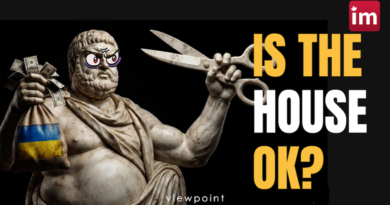
The real problem is how much this premier loves to spend while ducking the audience. While everyday citizens choose between paying rent and buying groceries, Ford spent his brief stint at the office securing a thirty million dollar private luxury jet. That procurement comes on the heels of the premier racking up over one hundred and forty thousand dollars in taxpayer-funded charter flights for cross-country photo opportunities.
When the public asks for the receipts, the shutters come down fast. The Ford administration recently altered Ontario freedom of information laws. Now, the daily calendars of ministers and the premier are official secrets. For a man who never provided a daily media itinerary anyway, this legislative change ensures the public has no way to track where he is or what he is doing. His team even changed the law to shield his personal phone records from prying eyes.
This complete lack of transparency makes the massive schedule gaps even harder to swallow. Ford claims these marathon breaks allow politicians to touch base with local communities. The reality looks much more like a convenient shield against political accountability. It is easy to avoid tough questions about job losses, housing targets, and healthcare privatization when you simply close the building and retreat to a Muskoka cottage.
Disgruntled public service union members recently took to kayaks to protest right outside his waterfront property. Ontarians are growing tired of a government that demands ordinary workers do more with less while the boss enjoys unmatched leisure time. If Ford wants to live the lifestyle of a corporate elite, he should stop asking the taxpayers of Ontario to fund the flight.
Want to know why Ford gets away with this? Read our backgrounder to see how Ontario’s democratic system shields him.
BACKGROUNDER
The reason the Legislative Assembly, Integrity Commissioner, and other oversight bodies have not sanctioned Doug Ford comes down to a mix of legal limitations, majority party power, and the specific ways Ontario’s accountability rules are written. Here is a breakdown of why these authorities have not penalized the premier:
Majority Government Control
In Ontario’s parliamentary system, the Legislative Assembly is controlled by the political party with the most seats. Because Doug Ford holds a strong majority government, his party controls the legislative agenda, committee assignments, and daily schedules. The opposition parties can criticize the long legislative breaks, but they do not have the votes to force the legislature back into session or pass a formal censure against the premier.
Limited Powers of the Integrity Commissioner
The Integrity Commissioner enforces the Members’ Integrity Act, which has a very specific and narrow focus. It mainly covers conflicts of interest, illegal lobbying, and insider financial gain.
- Not a timesheet police: The Act does not regulate how many days a premier works, how often they attend Question Period, or how long legislative recesses last.
- Political vs. Legal: While scheduling a 21-week summer break or hiding daily calendars may look bad to voters, it does not violate the specific text of the conflict-of-interest laws. The Commissioner cannot sanction a politician for what is fundamentally a political or scheduling decision.
Legal Changes to Transparency Laws
Oversight authorities can only enforce the laws that are currently on the books. Because the Ford government used its majority to legally alter freedom of information rules—shielding ministerial calendars and personal phone records from the public—the premier is technically operating within the law. The Information and Privacy Commissioner cannot sanction the government for withholding documents if the legislature has specifically rewritten the law to make those documents private.
Auditor General Mandate
The Auditor General can flag wasteful spending—such as the purchase of a provincial VIP jet or high charter flight costs—and frequently does so in public reports. However, the Auditor General’s role is strictly advisory and investigative. They have the power to expose how taxpayer money is spent, but they do not possess the judicial authority to fine, suspend, or sanction a premier for making legal, albeit unpopular, procurement choices.
Ultimately, this highlights a common critique of Ontario’s system. While everything Ford has done may be “legal”, it strikes many as deeply immoral. Accountability in the province relies far too heavily on political pressure and elections rather than strong, independent enforcement mechanisms.