Time to Kick the Habit: Why Canada Needs to Stop Relying on International Students
With new arrivals down 70% in 2025, local shops and landlords are feeling the pain—billions in spending gone quiet overnight.

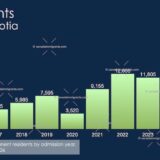
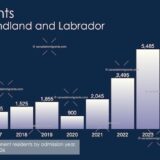
Canada’s universities and colleges have been hooked on international student tuition for years—like a quick cash fix that felt great at first but is now causing a major hangover. With the federal government’s ongoing caps slashing new arrivals by over 60% in 2025 (down to around 80,000-163,000 new post-secondary permits from peaks over 500,000), the message is clear: it’s time to diversify and break the dependency.
International students have long been economic powerhouses. Back in 2022, they pumped about $31 billion into Canada’s GDP through tuition, rent, food, and fun. Extrapolating to peak years like 2023, that was likely closer to $40 billion annually. They didn’t just pay high fees (often 4-5 times what domestic students pay); they spent big on everyday stuff, supporting thousands of jobs.
But this model’s unsustainable. The caps, started in 2024 and tightened further (437,000 total permits in 2025, dropping to 408,000 in 2026 with only ~155,000 new arrivals), aim to shrink temporary residents to under 5% of the population by 2027 while easing housing and service strains. Result? Budget crunches at institutions, program cuts, layoffs, and warnings of billions in lost economic input.
Experts and reports are urging a shift: boost domestic enrollment (which has dipped), chase more research grants, amp up philanthropy, partnerships, and ancillary revenues (like housing or online programs). Some positives—like exempting master’s/PhD students from caps in 2026 to attract top talent—help research-heavy schools. Others push for market diversification (less reliance on India/China) and better federal/provincial funding ties.
Now, with fewer arrivals, businesses are feeling the pinch. Restaurants and cafes near campuses report slower traffic—think fewer late-night poutine runs or coffee queues. Retail shops are seeing lower sales, as students aren’t splashing out on clothes, gadgets, or groceries like before. Landlords in student-heavy areas have more vacant units, with rental demand cooling off (vacancy rates are up nationally to 3.1% in purpose-built rentals).
One report highlights over $3 billion in lost economic activity and more than 5,000 job losses by mid-2025 alone. Local economies in places like Toronto, Vancouver, and smaller college towns are hit hardest, where students filled part-time gigs in hospitality and retail. Some sectors even warn of labor shortages flipping the script.
Long-term, this forced rethink could make Canadian higher ed healthier: less vulnerable to policy swings or global recruitment dips. The era of unchecked international growth is over; now’s the chance to build a more balanced system that prioritizes quality over quantity.