Canada’s South Asian Boom: Diversity Win or Demographic Overhaul?
From samosas to surging numbers—celebrating contributions while questioning unchecked growth

Let’s talk straight about South Asians in Canada—they’re everywhere now, from Brampton’s vibes to Surrey’s Punjabi markets, and yeah, it’s changed the game. Back in 2021, there were about 2.57 million South Asians, making up 7.1% of the population, the largest racialized group. That’s nearly four times the 669,000 in 1996. Most hail from India (around 44%), with Pakistan, Sri Lanka, and Bangladesh trailing. Some are highly educated—others not so much—and punch above their weight in all economic areas: from low-wage services to Health Care.
Where do they plant roots? Urban hubs, baby. Toronto’s CMA scoops up 46% (hello, Brampton’s 52% South Asian vibe), Vancouver 14%, and Calgary/Edmonton/Montreal splitting the rest. www150.statcan.gc.ca Projections? Even with cuts, StatsCan says South Asians could hit 4.7 to 6.5 million by 2041, or 11-12.5% of Canada—still the biggest group. That’s huge for the country,
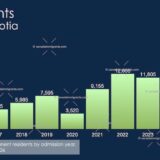
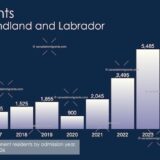
But here’s the critical bit: this growth hasn’t been smooth. Rapid immigration, especially post-pandemic temps and students (many South Asian), exploded the population to over 41 million by 2025. Housing? A nightmare. Rents and prices skyrocketed because supply couldn’t keep up—blame zoning, slow builds, and low interest rates too, but yeah, sudden demand from newcomers didn’t help. Critics say unchecked inflows strained services, healthcare wait times, and even fueled resentment. We’ve seen a spike in anti-South Asian hate online and on streets, with folks scapegoating immigrants for the affordability crunch. Politicians jumped on it, and now the government’s slashing permanent resident targets: down to 395,000 in 2025, then lower, aiming for slight population dips before stabilizing.
Look, South Asians boosted GDP and filled labor gaps. However, this came at the cost of GDP per capita (a key measure of living standards and productivity per person), which stagnated or declined. But ignoring the strains risks backlash and divides. Canada needs smart immigration: high-skilled, planned growth matched with infrastructure. Otherwise, we’re just kicking the can down a crowded road. Time to balance the welcome mat with reality.