B.C. Marks 10 Years of Toxic Drug Emergency With More Than 18,000 Lives Lost
How policy leniency and lost opportunities fuelled Canada’s drug crisis.
Ten years after British Columbia declared a public health emergency on April 14, 2016, the toxic drug crisis stands as a harsh measure of policy shortcomings. More than 18,000 people have died from unregulated drug toxicity since then, according to B.C. Coroners Service figures. This unrelenting toll reveals how a once contained problem became a province wide catastrophe.
The data tells a story of escalation and partial retreat. In 2016, 997 lives were lost. Deaths climbed steadily before exploding during the pandemic, reaching 1,775 in 2020. They hit a grim peak of 2,590 in 2023, averaging seven fatalities daily. Last year brought 1,826 deaths, a 21 percent drop from 2,315 in 2024 and the first time below 2,000 since 2020. Yet the pace remains brutal: nearly five British Columbians die every day. January 2026 added 150 more, down 10 percent from the prior January but steady with 2025 monthly averages.
Fentanyl and its potent analogues ignited the surge, later complicated by contaminants such as medetomidine. In 2025, 77 percent of victims were male and 69 percent were aged 30 to 59. Nearly half the deaths occurred in private residences. Northern Health recorded the highest per capita rate, while Indigenous communities continue to bear a disproportionate burden, exposing long standing inequities tied to colonialism, poverty and limited service access.
Harm reduction efforts have saved thousands. Take home naloxone, supervised consumption sites and opioid agonist treatment prevented an estimated 49,560 potential deaths between 2019 and 2025. Paramedics responded to 39,592 overdose events in 2025 alone. Officials credit these measures, along with shifts in drug supply, for recent declines. Yet advocates who rallied across the province this week call the progress fragile and insufficient. The brief decriminalization experiment produced no clear reduction in deaths, they note, while the unregulated market persists unchecked.
Illicit drug toxicity now claims more lives than homicides, suicides, vehicle crashes and other accidents combined, making it the leading cause of unnatural death. Families and frontline workers argue the government has managed symptoms rather than confronting root causes such as housing shortages and stigma.
As B.C. enters a second decade under emergency status, the numbers demand sharper accountability. Preventable deaths cannot be accepted as routine. Bold expansion of safe supply and systemic supports is essential if remembrance is to mean more than annual vigils. For a deeper look at the underlying facts and contextual data driving this analysis, see the Backgrounder below.
BACKGROUNDER
Since Justin Trudeau took office in 2015, illicit drugs have become far more accessible across Canada, with toxic fentanyl and its analogues flooding streets from British Columbia to the Maritimes. National surveillance data from the Public Health Agency of Canada show more than 55,000 apparent opioid toxicity deaths between January 2016 and September 2025, a crisis that accelerated sharply after fentanyl contaminated the illegal supply around 2016. What began as a regional issue exploded nationwide, with police reported drug crime rising 13 percent from 2023 to 2024, driven by spikes in possession, trafficking, and importation offences.
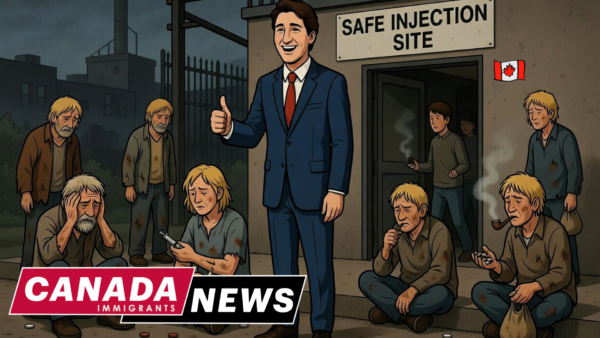
Government policies have played a central role in shaping this landscape. The Trudeau administration prioritized harm reduction over strict enforcement, funding safe supply pilots, expanding supervised consumption sites, and distributing take home naloxone. Cannabis legalization in 2018 set a tone of regulated access for one substance, while later measures like Bill C 5 removed mandatory minimum sentences for drug offences and supported decriminalization pilots, most notably in British Columbia. Officials framed these as public health responses to a poisoned street supply, yet critics argue they amount to tacit approval that signals drugs are tolerable. Safe supply programs, which provide pharmaceutical alternatives to street fentanyl, have been credited with preventing some deaths but also face accusations of diversion into the black market. Border seizures tell a parallel story of unchecked inflow: the Canada Border Services Agency and RCMP reported record hauls of methamphetamine, cocaine, and fentanyl precursors in 2025 and early 2026, with hundreds of kilograms intercepted at ports and airports. The unregulated supply remains dominant, unpredictable, and increasingly potent.
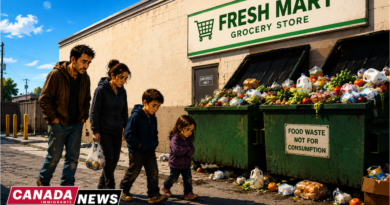
At the same time, a lack of economic opportunities has deepened vulnerability and demand. Youth unemployment for ages 15 to 24 hit 14.7 percent in September 2025, the highest September rate in over a decade outside the pandemic, with teens aged 15 to 19 facing 20.8 percent joblessness. Many young Canadians remain not in education, employment, or training, a group estimated at over 800,000 in recent years. Broader pressures, including housing shortages, inflation, and stagnant wages for entry level workers, have left a generation feeling locked out. Poverty rates, which fell early in the Trudeau era thanks to programs like the Canada Child Benefit, have rebounded, with food insecurity affecting nearly one in four Canadians. In this environment, drugs fill voids left by limited prospects, turning economic frustration into substance dependence.
The combination of permissive federal signals and structural economic failure has produced a toxic outcome. Overdose deaths, while showing modest recent declines in some provinces, still claim roughly 16 lives daily on average. Enforcement agencies seize more drugs than ever, yet availability persists because demand remains high and the illegal market adapts quickly. Without stronger focus on both supply disruption and genuine opportunity creation, the crisis risks becoming a permanent feature of Canadian life.