Dumping Milk to Keep Prices High
Ontario’s supply management system poured 10.2 million litres down the drain in November 2025 alone, keeping prices high while families struggle to afford basics. Is this “stability” worth the waste?
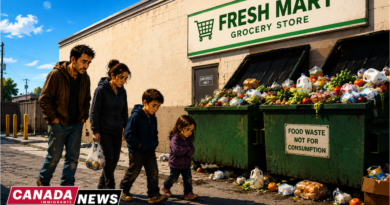
Imagine opening your fridge, staring at that $7 carton of milk, and knowing that right now, perfectly good milk—millions of litres—is being poured straight down the drain. Not because it’s bad. Not because there’s no demand. But because a rigged system says: keep it scarce, keep it expensive, keep the cash flowing for the few. It’s time to call this nonsense out.
Let’s break it down. Supply management kicked off back in the 1970s to stabilize dairy, eggs, and poultry. The idea was to match production to demand through strict quotas, avoiding shortages or gluts. Sounds reasonable? But in practice, it means farmers get forced to toss excess milk if they go over their limits. Take November 2025: Dairy Farmers of Ontario (DFO), the big provincial board calling the shots, dumped 4.9 percent of the province’s milk supply. That’s a whopping 10.2 million litres down the drain, worth about $18 million at retail prices. The butterfat alone? Around $10 million flushed away. All this while food banks are slammed with record demand and dairy costs keep climbing faster than most groceries.
Who’s behind this? The DFO is the frontline enforcer in Ontario, representing thousands of quota-holding farmers. They set production caps and negotiate prices. Nationally, the Canadian Dairy Commission (CDC) oversees the whole mess through the Canadian Milk Supply Management Committee (CMSMC). These bodies decide quotas based on “demand,” but critics like food policy expert Sylvain Charlebois say it’s really about keeping supply tight to hike prices. And the processors? Big players like Saputo Inc., Lactalis Canada (which owns Parmalat), Agropur Dairy Cooperative, and Gay Lea Foods Co-operative rake in the benefits. They buy milk at fixed high rates and pass the costs to you. Saputo and Agropur even expand abroad while enjoying protection at home. No wonder Canadian milk prices are 30 to 50 percent higher than in the U.S.
Remember Jerry Huigen? This Ontario farmer went viral in 2023 for dumping 30,000 litres of his own milk because quotas said so. Heartbreaking stuff, especially when dairy prices surged 11 percent that year amid broader food inflation hitting double digits. Fast forward, and we’re still at it. In 2024, reports pegged weekly dumps at up to 5 million litres in Ontario alone during COVID hangovers. Meanwhile, youth unemployment rises, housing costs soar, and low-income families skip basics. Yet the system chugs on, with tariffs over 200 percent blocking cheaper imports and subsidies flowing to “compensate” for trade deals.
This isn’t just wasteful; it’s downright unfair. While DFO board members like Bart Rijke or Brian Burnett pat themselves on the back for “stability,” consumers get squeezed. Food prices in Canada rose 8.9 percent in 2023, with dairy leading the pack. Experts argue scrapping quotas could slash prices by 20 percent, boost exports, and cut waste. But politicians, scared of the dairy lobby, keep propping it up. Ontario Premier Doug Ford even cheered them at a recent DFO meeting, ignoring the bigger picture.
Bottom line? Supply management is a relic that’s great for a few thousand quota holders but lousy for 40 million Canadians. With high food prices fueling inequality, dumping milk to keep shelves expensive is absurd. Time for real change, like easing quotas or opening markets. For a deeper look at the underlying facts and contextual data driving this analysis, see the Backgrounder below.
BACKGROUNDER
Jerry Huigen, the Ontario dairy farmer who went viral in early 2023 for posting a emotional video of himself dumping 30,000 litres of milk down the drain on his Haldimand County (Dunnville-area) farm, hasn’t made major new headlines or public statements in recent months. His clip—where he lamented being forced to waste fresh milk due to exceeding his Dairy Farmers of Ontario (DFO) quota, saying “it breaks my heart” while milk poured out—sparked widespread outrage over supply management’s inefficiencies, especially amid surging dairy prices and food insecurity.Since then:
- The video remains frequently referenced in 2025–2026 discussions on milk dumping. Recent articles (e.g., in FarmersForum.com, Toronto Sun, and Lethbridge Herald from late 2025/early 2026) cite it as a pivotal moment that exposed contradictions in the system, often calling it the last big public “crack” before internal dissent resurfaced (like dairy farmer Joel Fox’s open letter questioning payouts).
- No evidence shows Huigen has posted new videos, launched petitions, or spoken out again publicly. Mentions on X (formerly Twitter) and elsewhere are mostly reposts or recaps of his 2023 clip, tying it to ongoing waste stats—like Ontario dumping 10.2 million litres in November 2025 alone.
- He appears to have kept a low profile since the backlash he faced from some fellow farmers in 2023 (who criticized him for going public). His farm, Huigen Bros., continues operating under the same quota rules.
In short, Huigen’s moment highlighted the issue dramatically, but the system rolled on with little change for him personally. The conversation he ignited persists, especially as dumping continues and critics push for reforms.