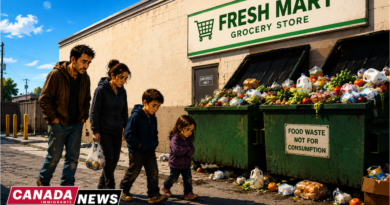
Ontario’s Homeless Nightmare: 85,000 on the Streets and Climbing
Why Doug Ford’s Crew Is Dropping the Ball on a Crisis That’s Spiraling Out of Control.

Ontario’s homelessness crisis is exploding, yet Doug Ford’s crew keeps kicking the can down the road. Fresh data from the Association of Municipalities of Ontario (AMO) hits hard: nearly 85,000 people were homeless in 2025, up 8% from 2024 and a brutal 50% jump since 2021. That’s not a blip; it’s a system in freefall, with northern and rural areas seeing 30-37% spikes in just one year. Encampments now top 2,000 province-wide, and community housing waitlists exceed 300,000 households, some stuck waiting 16 years.
The most damning part? Homelessness among Ontario Works (OW) and Ontario Disability Support Program (ODSP) recipients surged 72% since 2019, topping 30,000 by mid-2025. Long-term OW users saw a 136% increase. Why? Single adults scrape by on frozen $733 monthly OW rates—while a basic room averages $756. Even the cheapest spot is impossible without proving costs, trapping people in poverty cycles. Add punitive rules and zero real income boosts, and you’ve got a recipe for streets over shelters.
Ford’s response? Mostly shrugs and tough talk. He claims the fix is “getting them trained and getting them a good-paying job,” while touting past spending on shelters. But experts and critics slam the inaction: no evidence-based homelessness strategy despite AMO’s pleas for $11 billion over 10 years in supportive housing and prevention. Instead, the government pushes encampment crackdowns via laws like the Safer Municipalities Act, fining and evicting without alternatives. Maytree calls it “designed to fail,” with the province admitting no records tie low welfare to rising homelessness. Willful ignorance much?
Meanwhile, promises from 2018 to end chronic homelessness by 2025? Vanished. The feds throw billions nationally, yet Ontario prioritizes pausing affordable housing rules near transit over building real units. If nothing changes, projections warn homelessness could double by 2035, or hit 300,000 in a downturn.
This isn’t fate; it’s neglect. Ontario has the resources—time to hike benefits, build homes, and stop criminalizing poverty. The streets are full, and the excuses are wearing thin.