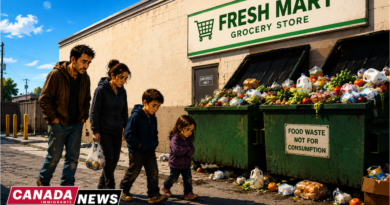
IRCC will not accept new PGP applications
Lawyers’ Wallets Weep: PGP Cap Drama.

Oh, the drama in Canada’s immigration scene—nothing gets lawyers riled up like the Parents and Grandparents Program (PGP) cap, which basically slammed the door shut on family reunions. As of January 2026, IRCC has paused all new permanent residence applications, opting to chew through the 2025 backlog instead. Why are immigration lawyers the ones howling the most? Simple: it hits their wallets hard. With fewer slots, desperate families turn to pros for that edge in a rigged lottery, but when the whole game’s on ice, the gravy train slows. Lawyers frame it as a humanitarian crisis, but here’s the tea: these cuts mean less chaos for lawyers to “fix” with pricey consultations.
Now, we see immigration lawyers, circling like sharks in chummed waters. These pros aren’t just complaining about the cap—they’re banking on it. With desperate families facing slim odds, lawyers charge premium fees for “expert” guidance on applications, appeals, or super visa workarounds. One firm boasts navigating PGP pitfalls to avoid “negative outcomes,” but let’s be real: it’s a cash grab. Hourly rates can hit $500+, and full packages run thousands, preying on immigrants’ vulnerability. The cap creates scarcity, inflating demand for their services—why fix a broken system when it lines your pockets?
Crunch the numbers, and it’s a gut punch. In 2025, IRCC aimed for just 10,000 complete PGP applications, inviting 17,860 sponsors from a dusty 2020 interest pool. That’s a crapshoot success rate, especially with overall permanent resident targets dropping to 395,000 in 2025 and 380,000 in 2026. PGP, which once hogged about 25% of family-class spots, is now squeezed amid broader cuts, leaving massive backlogs. Immigration lawyers are straight-up raging about this; The Canadian Immigration Lawyers Association (CILA) called the 2025-2027 levels plan a “dark day for Canada,” slamming the freeze on new PGP interest forms since 2020 as anti-family.
Speaking of mismanagement, the PGP’s been a hot mess for years, riddled with freezes to “clear backlogs” that never seem to vanish. Remember 2022? Tens of thousands of apps got dumped on inactive officers, stranding nearly 60,000 in limbo due to sheer incompetence. Fast-forward, and we’re still dealing with procedural fairness letters that slap five-year bans for minor slip-ups, like incomplete resumes or misaligned forms. In 2024 alone, 22% of submissions bounced back over shoddy paperwork or financial proof fails. It’s like IRCC designed a gauntlet: lottery invites, then nitpicky reviews that scream for lawyer intervention.
And the mismanagement doesn’t stop there—appeals and reconsiderations are a nightmare, with fraud accusations flying over “altered” docs or white lies. The Super Visa workaround? It’s a band-aid that demands reapplications, medical hoops, and fat insurance bills, but no path to permanence. Lawyers love billing for those too, but the cap’s freeze starves the pipeline. Bottom line: while families suffer fractured ties, lawyers mourn lost revenue from this bungled system. For a deeper look at the underlying facts and contextual data driving this analysis, see the Backgrounder below.
BACKGROUNDER
PGP vs. Super Visa
If you’re a Canadian citizen or PR dreaming of having your parents or grandparents around more permanently, you’ve got two main options: the Parents and Grandparents Program (PGP) or the Super Visa. As of January 2026, though, one’s basically on life support while the other’s being pushed as the “practical” alternative. Let’s break it down side by side.
| Aspect | PGP (Parents and Grandparents Program) | Super Visa |
|---|---|---|
| Status in Canada | Permanent residence – they become PRs, can live forever, work if they want, access healthcare, path to citizenship. | Temporary visitor status – no PR, no work rights, no full healthcare access. |
| Length of Stay | Indefinite once approved. | Up to 5 years per entry (as of recent rules), multiple entries valid up to 10 years. Can extend from inside Canada. |
| Availability (2026) | New applications paused since Jan 1, 2026. Only processing backlog from 2025 (capped at ~10,000-15,000). Lottery system when open – super competitive. | Open and accepting applications. No cap, first-come-first-served. |
| Processing Time | 2+ years (backlogs are brutal). | Usually 8-12 weeks – way faster. |
| Eligibility/Requirements | Sponsor must meet higher income thresholds (LICO +30% for 3 years), sign 20-year undertaking to support them financially. Medical, police checks. | Sponsor meets minimum income (LICO), provides letter of invitation, private medical insurancefrom Canadian company (min $100,000 coverage, valid 1 year – costly, ~$2,000+ per person). Medical exam required. |
| Family Benefits | Full family reunification – grandparents can sponsor others later, get pensions, etc. | Great for long visits and childcare help, but no permanence. Must leave or extend periodically. |
| Cost | Application fees ~$1,000+, plus settlement costs. | Lower fees, but insurance is a big ongoing expense. |
| Risks/Downsides | Lottery rejection heartbreak, long waits, financial undertaking is serious (you pay if they use social assistance). | Temporary – health changes could block re-entry/extensions. No path to PR directly. |